
How to Hire an AI-Native Developer

How do you find software developers who can actually build with AI at the speed everyone’s hyping? And what do you ask in the interview?
The problem is, AI adoption is still pretty fragmented across developers and the entire industry overall. I wrote more about why that's the case here.
In a recent interview, Boris Cherny (creator of Claude Code) said the big shift was around the end of November 2025. That's why there's still no standard playbook. So let's dive in together. I appreciate your comments and ideas 👇.
"AI-native" does not mean "vibe coding"
By "AI-native" or maybe even better, "fluent" developer, I mean someone who can use an AI-coding assistant as a serious part of their development workflow while still owning the result.
Practically, an AI-native or fluent developer:
Vibe coding is a different thing. It's fine for a hackathon, a prototype, or an internal demo. You run a bunch of prompts, click around until it "looks right," and move on. It's fast, it's fun, and almost anyone can do it. But production software is not that forgiving.
When I use AI-coding assistants I mean tools like: Claude Code, OpenAI Codex, Cursor, GitHub Copilot, Windsurf, JetBrains Junie and there are many others that pop up every month.
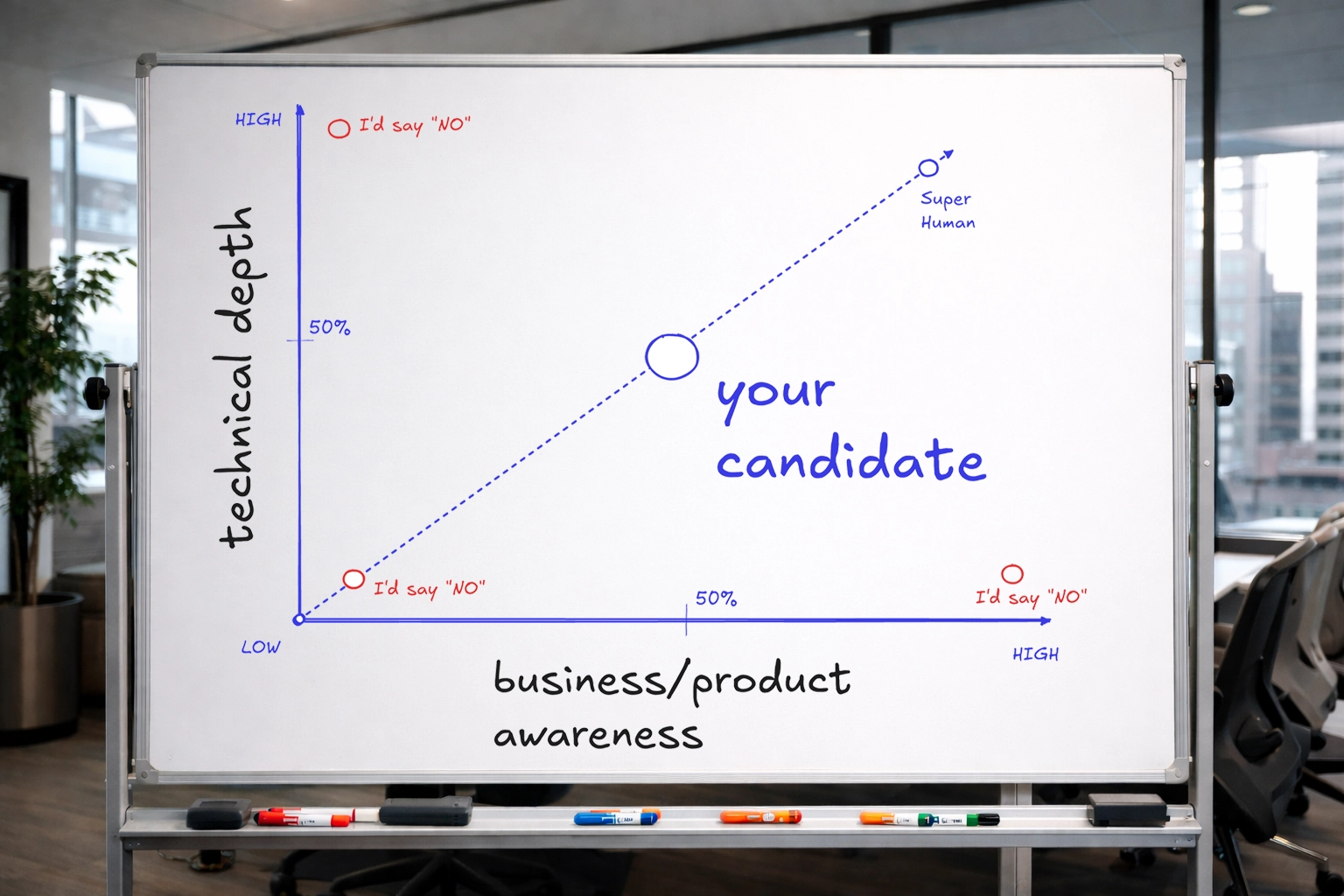
If you’re hiring, your first task, depending on the role, is to look for people who understand when it makes sense to verify code deeply and when it's fine to vibe code something because it's just a prototype for a single demo.
I've seen people in my career who were technically brilliant but only concerned about the tech. The business side of things was never a priority for them. In the past, there was plenty of work for people like that. But now AI is closing that gap more and more, and the lifespan of code in production will only keep shrinking.
At the same time, I've seen people who were brilliant communicators and could promise absolutely impossible things, which led to disastrous outcomes simply because they didn't understand what was actually feasible.
You need to find that sweet spot: someone who understands what's happening under the hood, knows when they need to control/check AI deeply, and knows when it doesn't make sense economically.
AI coding transcripts as part of the interview
In the same interview, Garry Tan (President & CEO, Y Combinator) mentioned something that stuck with me. YC started asking candidates to submit a transcript of their coding session.
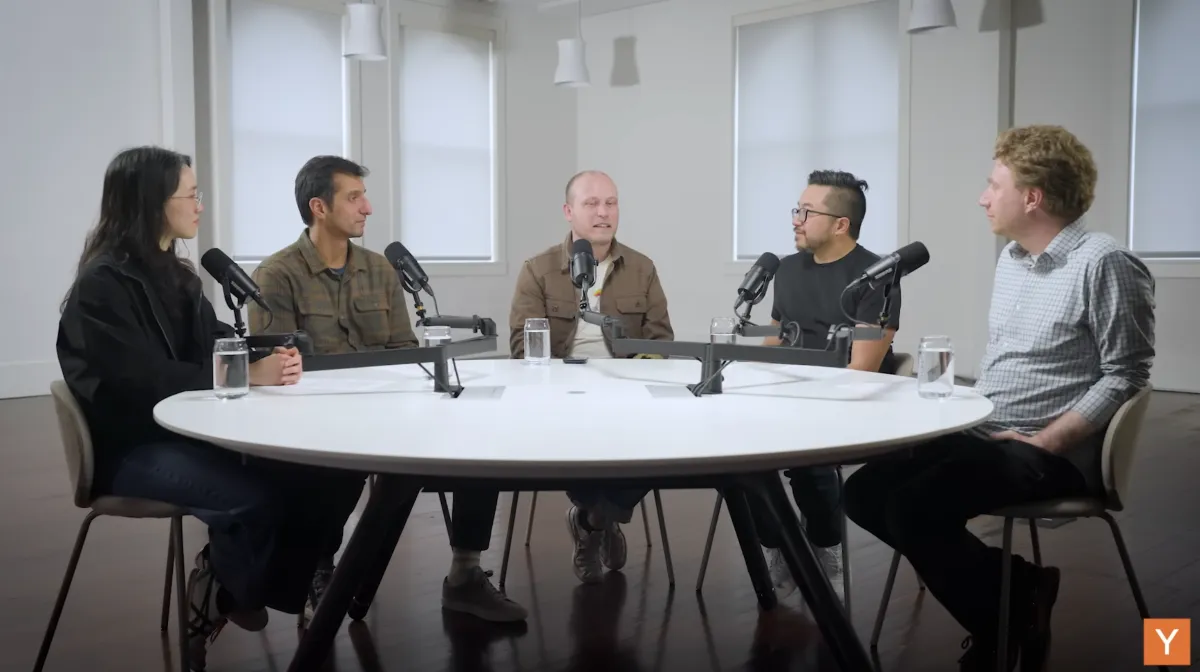
Watch the interview.
Garry said, they are "actively doing that right now." As a test, they added an option where a candidate can "upload a transcript of you coding a feature with Claude Code or Codex or whatever it is."
What they look for in a transcript: Does the candidate notice when the agent goes off the rails and correct it? Do they use plan mode? Do they add tests and actually verify the result? Do candidates read the logs? Or do they just keep prompting and hope it works out?
Some bigger companies are moving in this direction too. Meta introduced an AI-enabled coding interview format where candidates work with a real AI assistant for about an hour. Canva publicly said candidates can use AI in interviews and built an AI-assisted coding competency. (I haven't gone through such interview myself. If you have, I'd love to hear how it went 👇)
If you’re hiring AI-native developers, ask the candidate to build something small using Claude Code, Codex, Cursor, or a similar tool, then share either a screen recording or a terminal session log. The exact format can vary depending on their setup and tools.
Hiring signals
Before we get into signals, one quick note. I’m not talking about general hiring topics like teamwork, communication, or processes. Those still matter, obviously. This section is purely about the AI portion: how someone works when an AI assistant is in the loop.
RED FLAGS:
GREEN FLAGS:
The bottom line
AI models will keep getting smarter, so AI coding tools will only get simpler and require less and less hand-holding from developers. I think anyone motivated can learn Cursor or Claude Code within a few weeks, and it will only get faster and easier. The real challenge is people. Developers who spent years in one workflow now need to rewire how they think and work. Some will. Some won't.
So the hiring manager's job is clear: find the strongest engineer who knows how software works and who genuinely wants to work a new way. Someone who's curious, adapts fast, and stays focused on the product and the value it creates.

About The Author:
Val Kamenski is a fractional CTO, board advisor, and startup mentor with over 14 years of experience building and scaling software companies. He now helps founders and executives make better technology decisions, and navigate the fast-changing world of AI and software development.