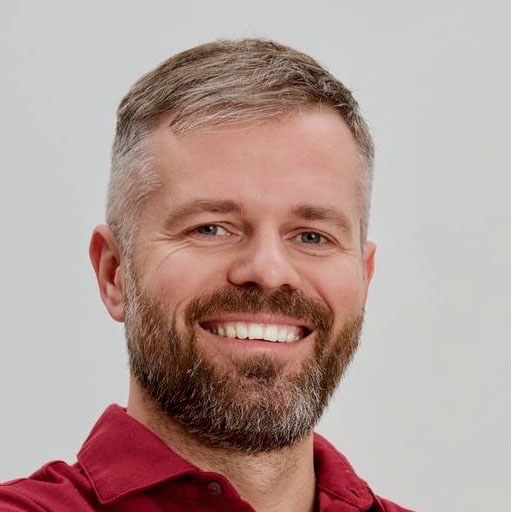
From Fear to Founding: Advice for First-Time Founders

Almost 14 years ago, I stood at a crossroads that would define the rest of my life. I had an idea, some experience, and a mountain of fear. Starting a company felt like stepping off a cliff, hoping to build wings on the way down. But I pushed through the fear, and Klika Tech was born.
Today, after handing over leadership and stepping into a new chapter, I want to share what I've learned. If you're thinking about starting something of your own, then perhaps my journey can help you take that first step.
The Leap
Here's the truth about starting a company: it never feels like the right time. There's always a reason to wait. More savings. More experience. A better market. The fear doesn't go away. You just learn to act in spite of it.
When I founded Klika Tech, I wasn't fearless. I was terrified. But I realized that the fear of regret was greater than the fear of failure. What if I had never tried? Would I spend years wondering "what if"?
So I made the leap.
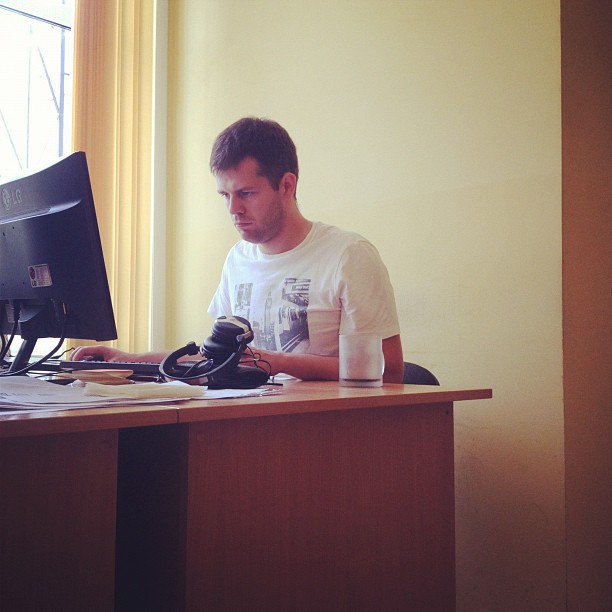
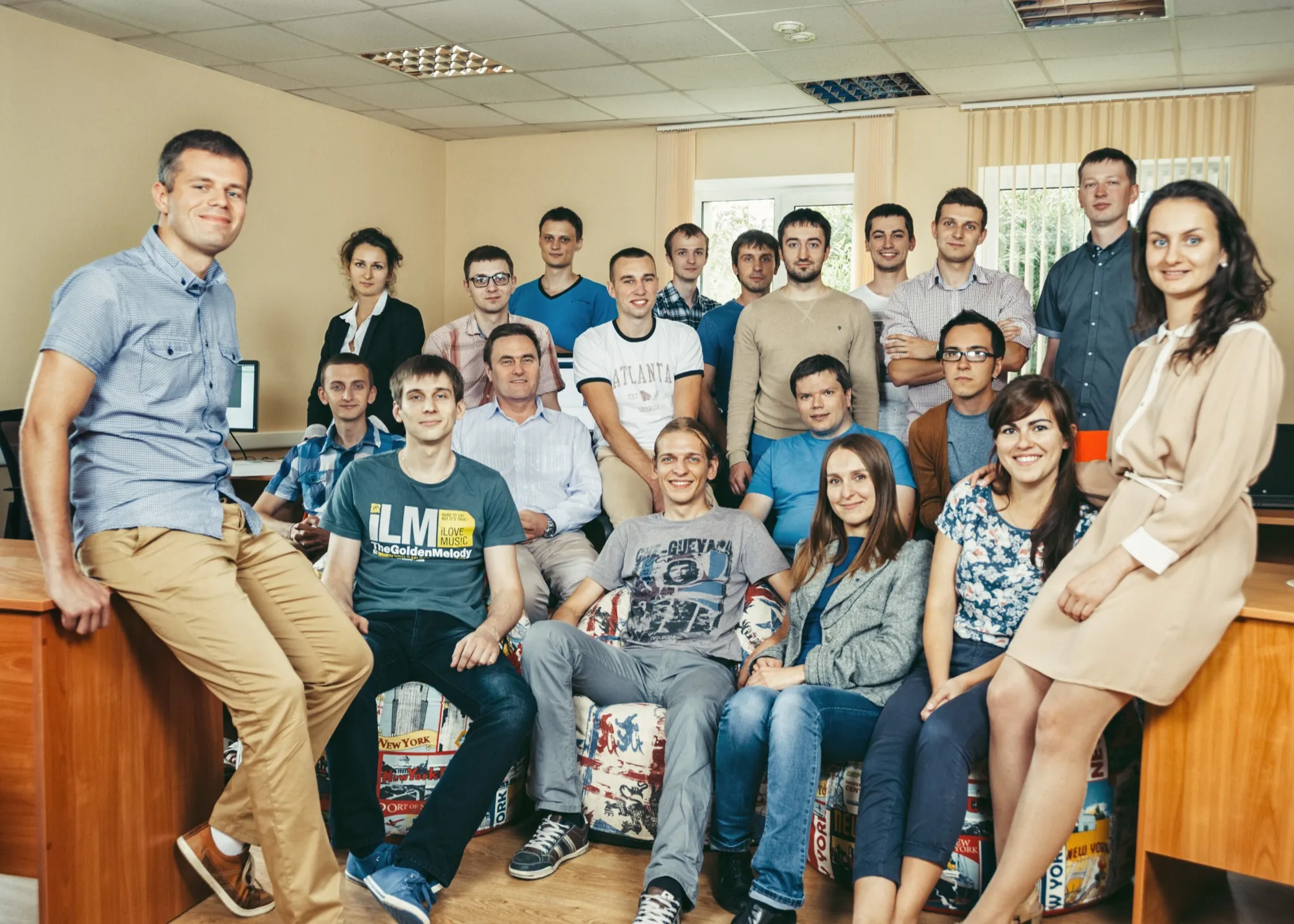

For aspiring founders: don’t wait for the fear to disappear. It won’t. Instead, get comfortable with uncertainty. Start small if you need to. Build something on the weekend. But start. The perfect moment is a myth.
What helped me make the leap was a simple math exercise. I grew up in a working class family where buying a home felt unattainable. One day, I sat down and calculated how long I’d need to work to afford a down payment and then pay off a mortgage if I continued building my career the traditional way. The answer was “decades”...
That realization became a turning point and my biggest motivation to overcome the fear of founding a company.
The Idea
When people think about starting a business, they usually fall into one of two camps: those who already know the problem they want to solve because they’ve worked in the industry long enough or had very specific experience, and those who want to build something but aren’t sure what exactly. I was in the second camp.
When I was just starting out, I had plenty of ideas but even more doubts about what kind of business to start. People around me had no shortage of arguments for why I shouldn’t start a company, or why my particular approach wouldn’t work. On top of that, there’s a persistent stereotype in tech that unless your idea is groundbreaking, it’s not worth pursuing.
I spent a long time stuck in that loop, second-guessing every possible direction, weighing one idea against another. This is the stage where many people get trapped and never actually start a company.
For aspiring founders: your idea doesn't need to be revolutionary. In fact, chasing "highly innovative and unique" ideas, especially for your first business, is often a trap.
The best business ideas come from real problems that real people are already trying to solve. If you have to convince people they have a problem, you're fighting an uphill battle.
Look for ideas where clients are already looking to buy. They have the budget. They have urgency. That's a much better starting point than trying to educate the world about why they need something entirely new.
Of course, if you have a spare billion in your pocket and a famous last name, you don't need to follow this advice 😄.
The Journey
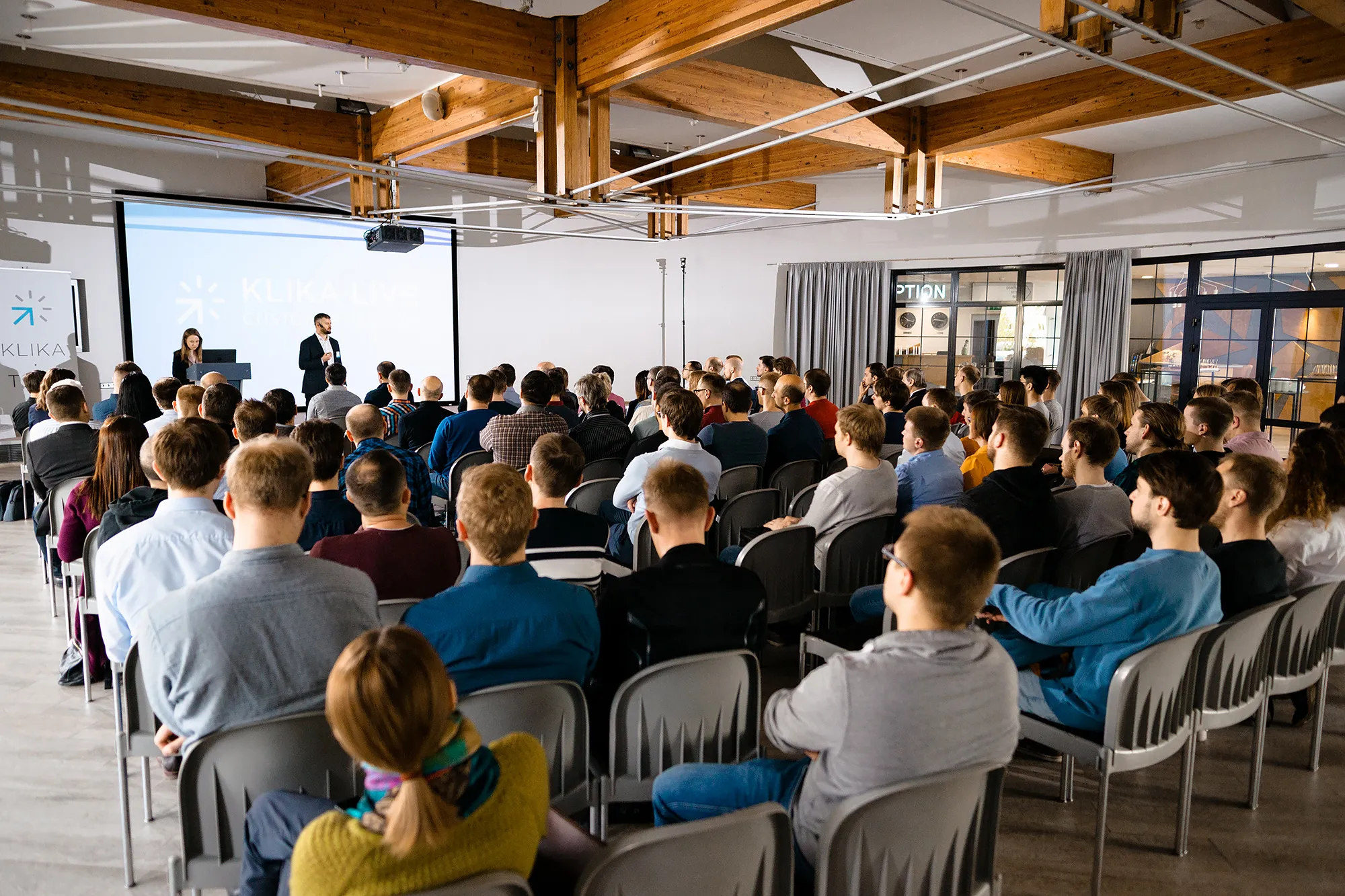
What began as a small startup grew into a global company with offices across multiple countries and hundreds of employees. It's been an incredible journey, filled with highs, challenges, and countless lessons.
The growth wasn't linear. Especially in the beginning. There were moments when everything seemed to be falling apart. Sleepless nights wondering if we'd make it through the next quarter. But there were also breakthrough moments: landing that first major client, opening a new office, seeing people grow into leaders.

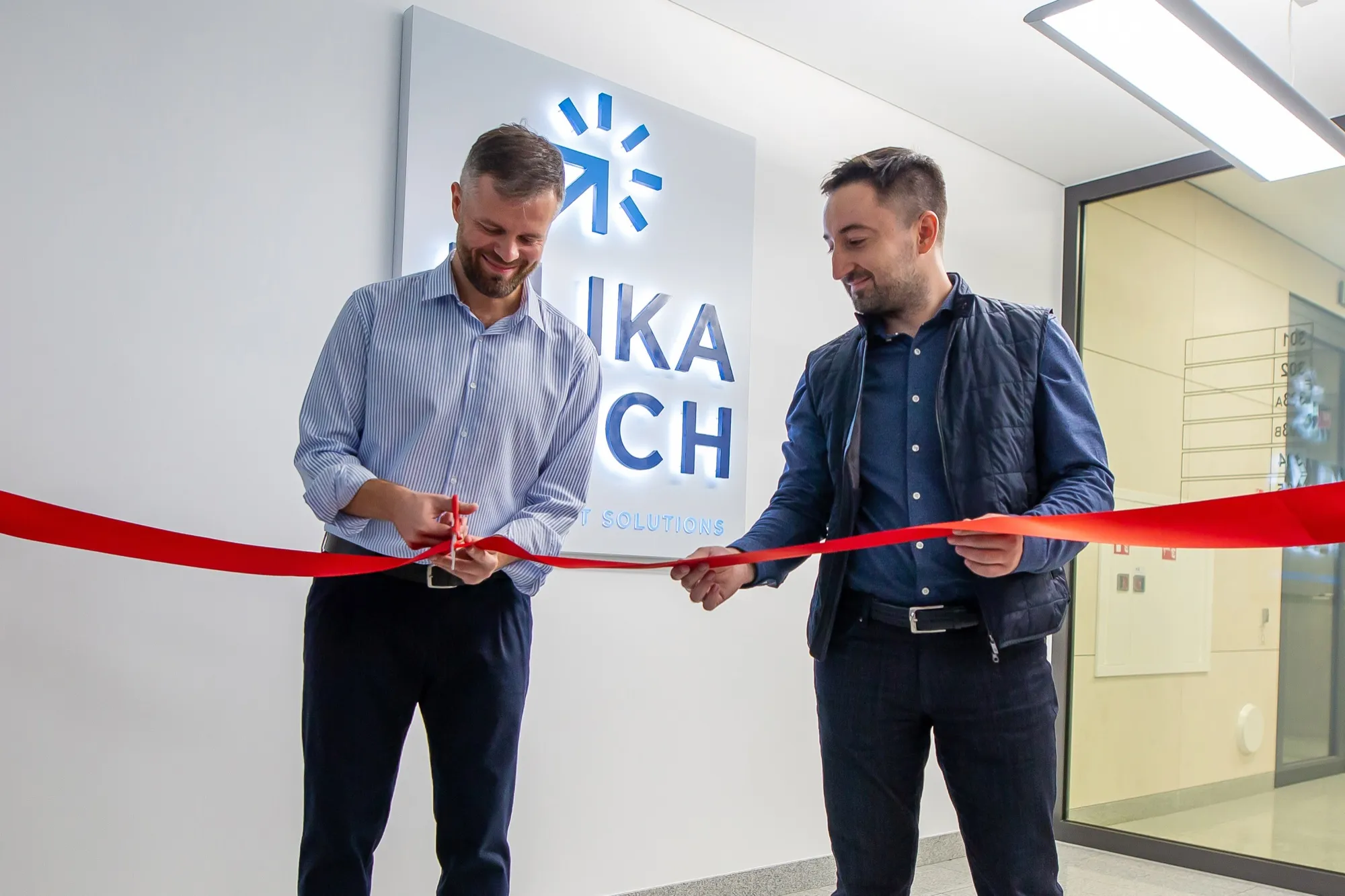
For aspiring founders: stay cool-headed. When things go wrong, your brain will jump to the worst-case scenario. Don’t panic too early. Wait. Things rarely move as fast as your mind tells you they will. Assess, then act.
Plan for the worst, and hope for the best. Don’t let pessimism take over, it’s no way to live. You plan and analyze to prevent problems, not because disaster is inevitable. Most of the time, things work out. Still, having a worst-case plan is necessary.
One more piece of advice: listen to many opinions, but make your own decisions. Never surrender your judgment to a single self-proclaimed expert. No one on this planet truly knows what will happen next week, let alone what billions of people actually need. If someone confidently insists they can predict the future, that’s usually a good sign to keep your distance.
We all live in different economies, different cultures, technologies replace one another, and politicians play their own games. So gather as many perspectives as you can, but in the end, chart your own course. The future is yours to shape.
People Are the Company
If there's one thing I've learned after 14 years, it's this: a company is its people.
Not the technology. Not the processes. Not the office space or the brand. It's the people who believe in the idea when it's just an idea. Who work through the nights when it's needed. Who challenge you when you're wrong.
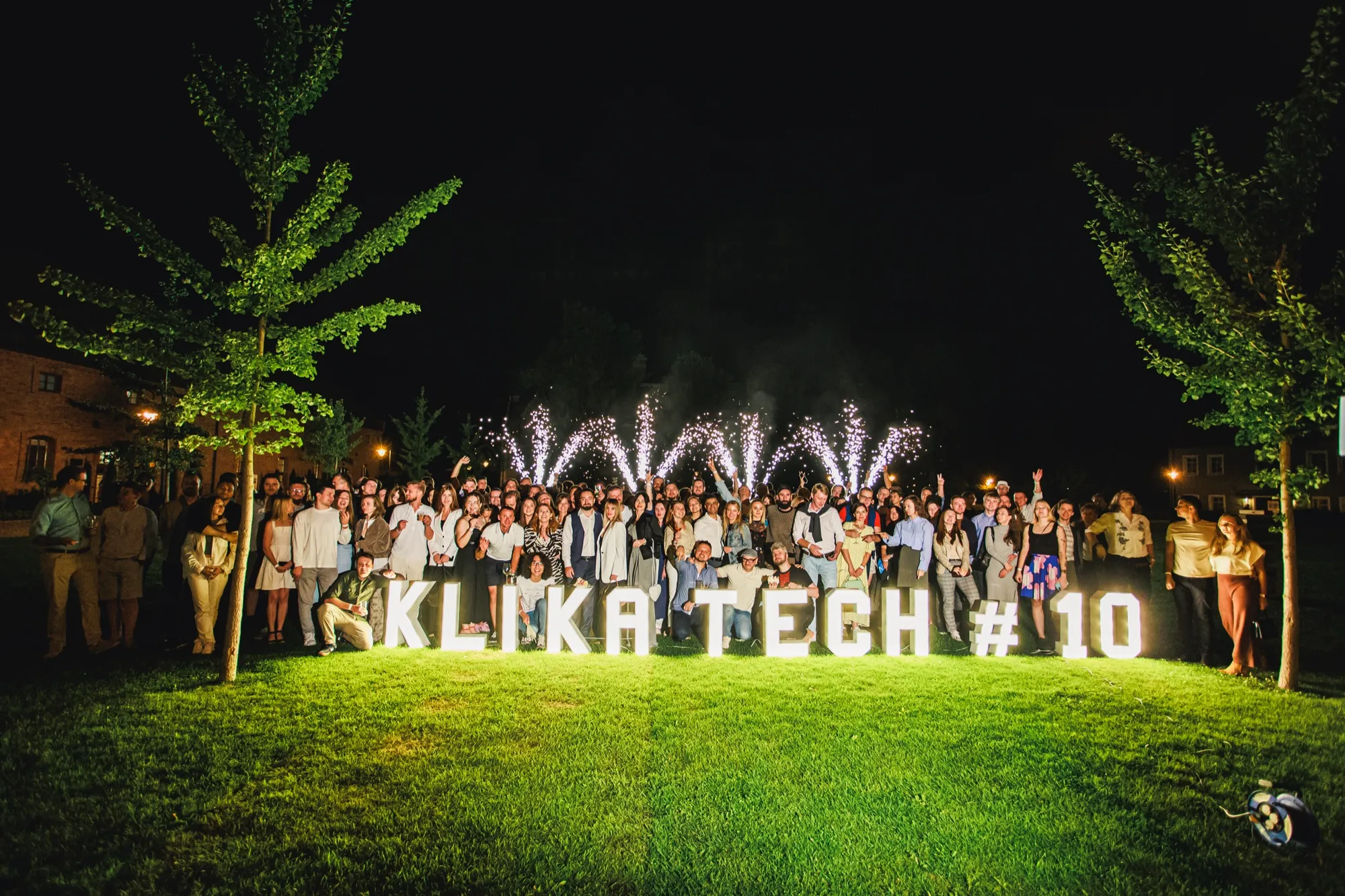
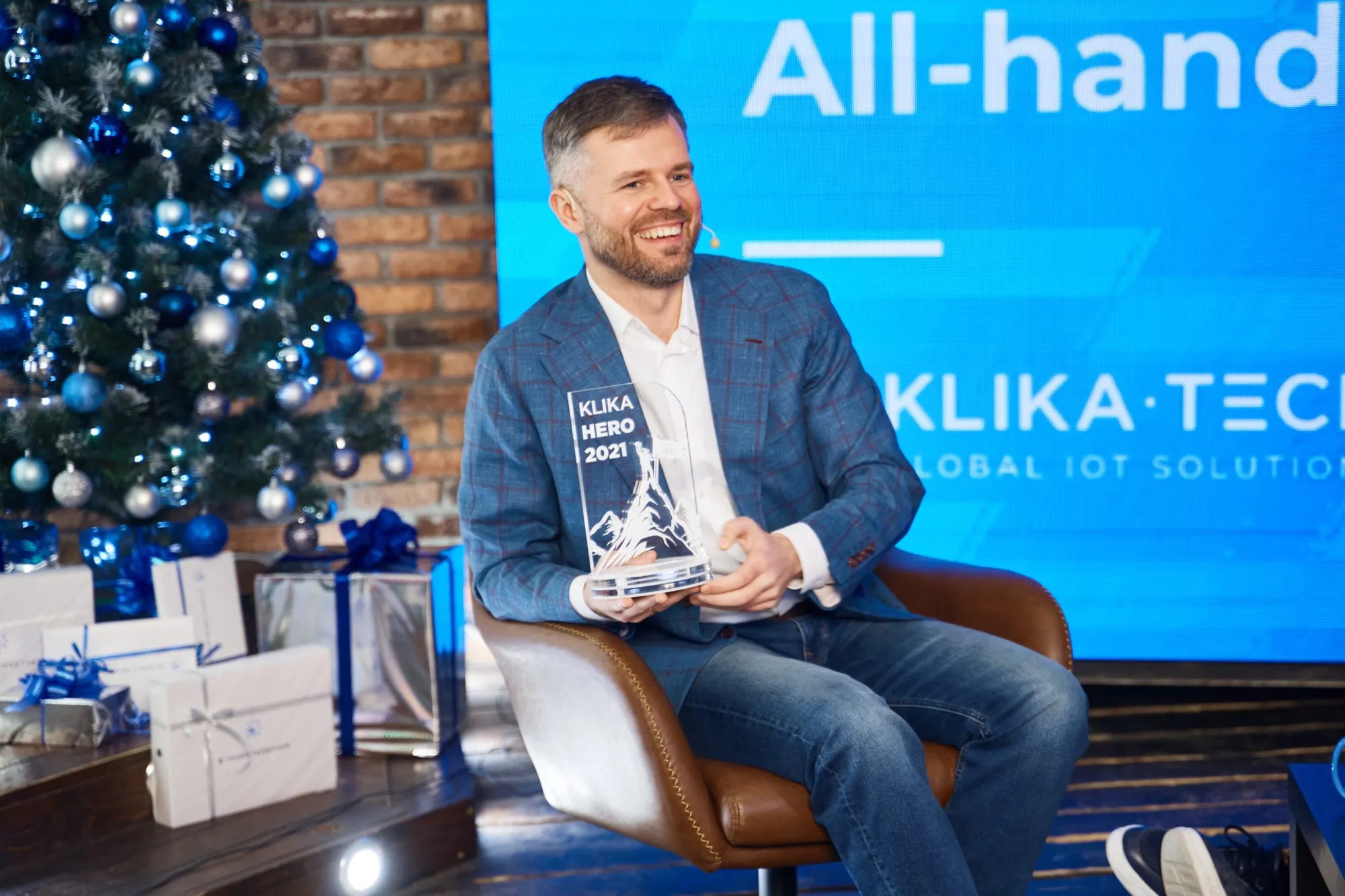
I've been lucky to work with incredible people at Klika Tech. Many of them weren't just colleagues. They were partners in building something meaningful. They brought energy, creativity, and commitment that no amount of money could buy.

For aspiring founders: when you start building your team, hire for character as much as skill. Skills can be taught. But you can't teach someone to care. Find people who believe in what you're building, and treat them like partners, not resources.
Don’t be afraid to make changes. Early on, it can be hard to face the truth that you may need to part ways with someone. Remember: the longer you keep a poor fit on the team, the longer the entire team suffers.
Finally, never stop learning and reinventing yourself. The world changes fast, and staying relevant is part of the job. There’s always something new to understand, and there are always layers of complexity and reality you haven’t seen yet. Keep exploring them.
It’s also easy, after your first wins, to fall into the trap of thinking you’ve already made it and can afford to stop growing, professionally or mentally. Don’t.
When your team sees you learning, adapting, and staying grounded in reality, they follow your example. That’s how you keep your company strong for your people, your partners, and your clients.
Knowing When to Evolve
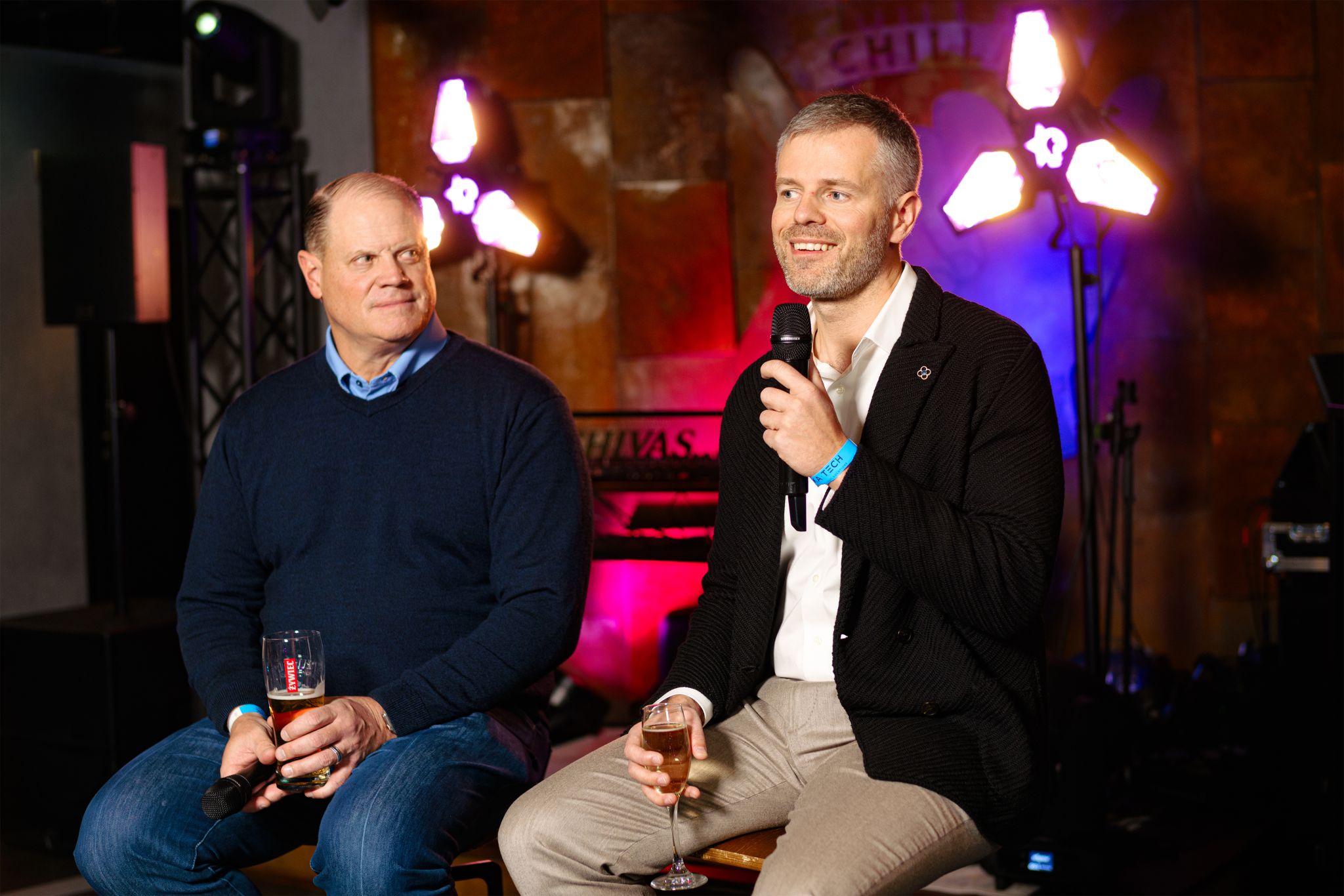
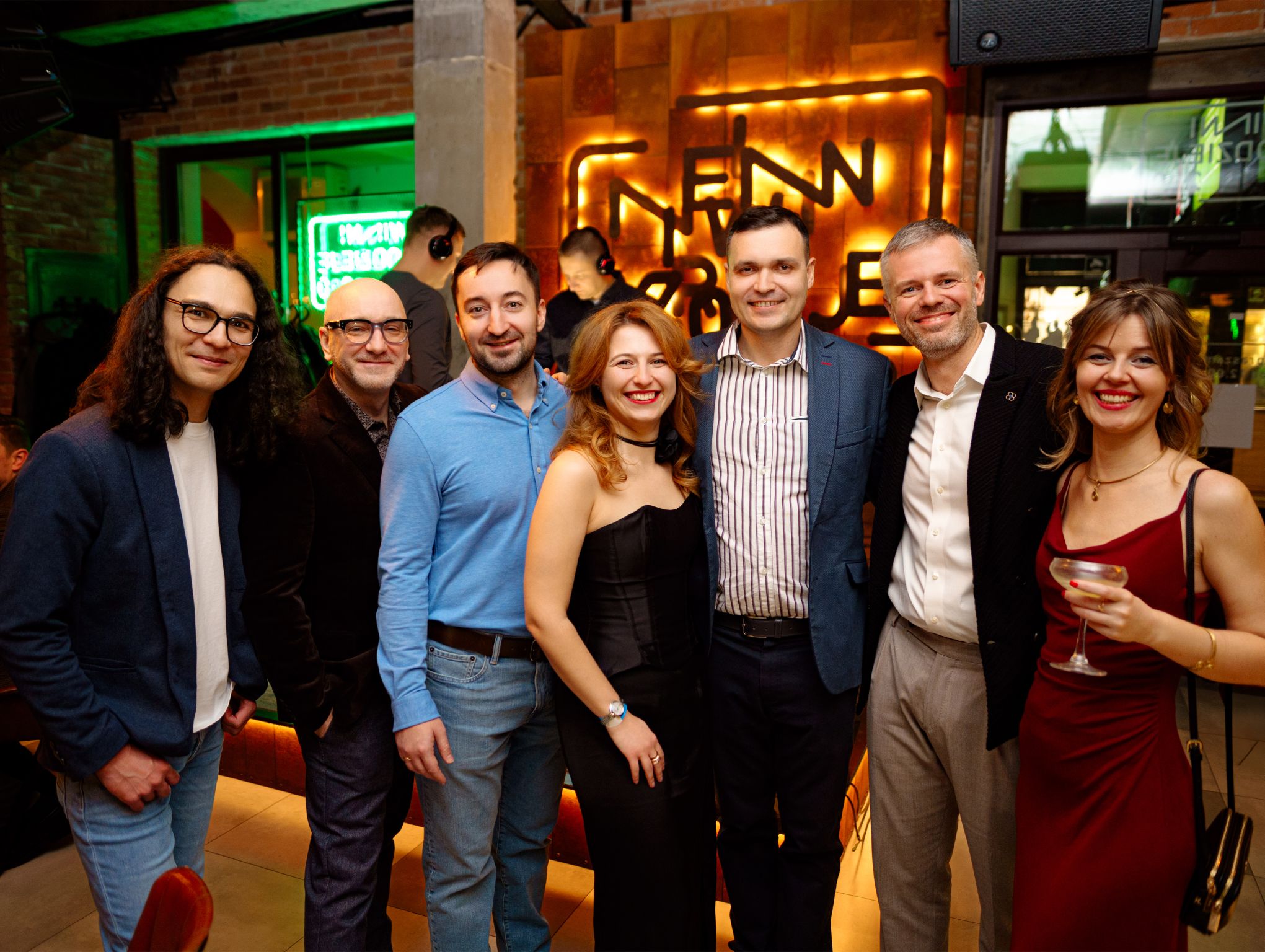
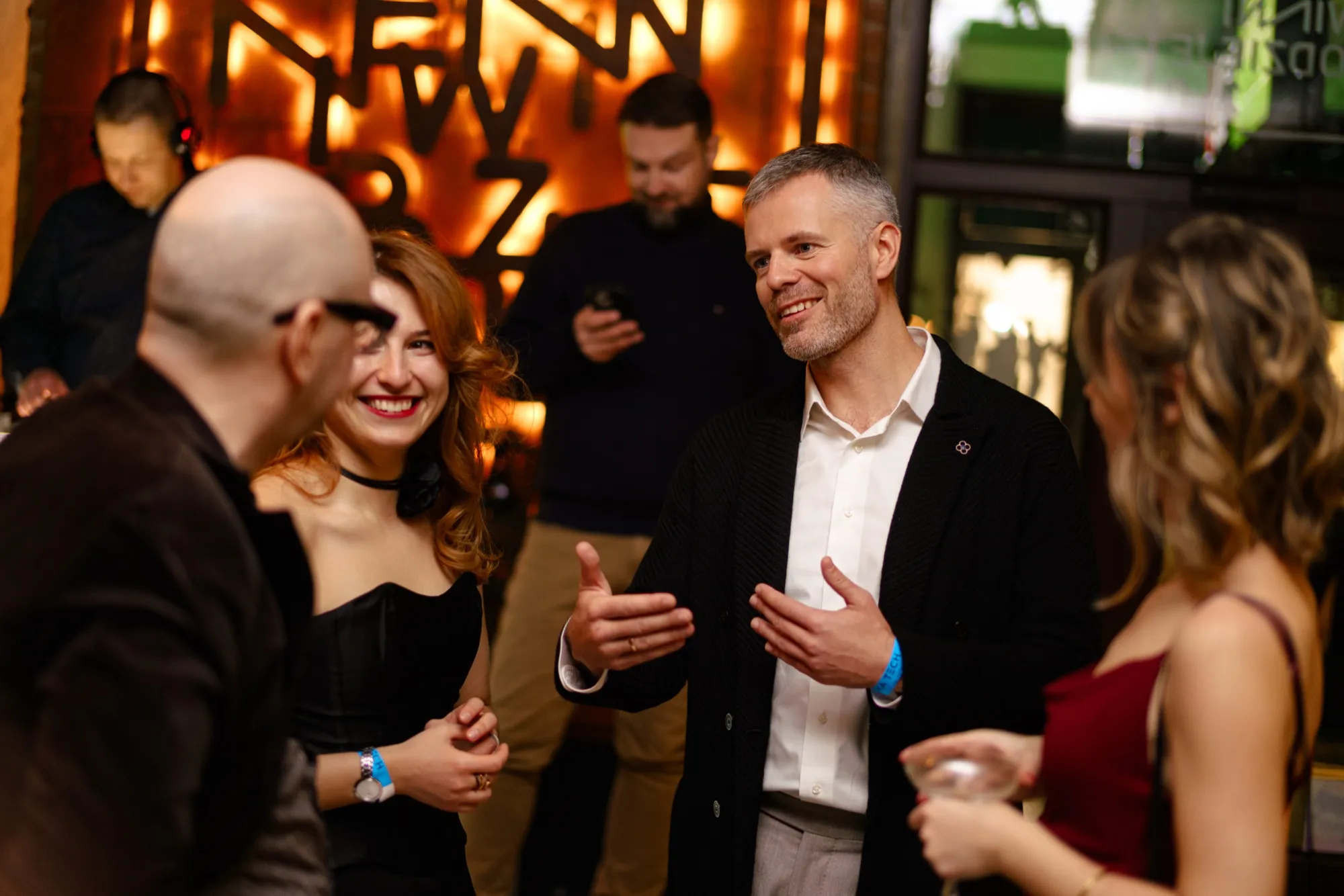
After a lot of thought and planning, in early 2023 I decided to sell my stake in the company. It was my first "exit". Three years later, I chose to hand over leadership and step away from Klika Tech. It wasn’t easy. This company had been my life for over a decade.
I've learned that growth doesn't stop with the founder. Sometimes, the best thing you can do for something you've built is to let it evolve beyond you. Fresh perspectives, new energy, different ideas. These things keep a company alive and thriving.
What's Next
First, a pause. Time to breathe, be with family, and see the world through a different lens.
But the pause won't be long. The world is on the brink of remarkable change. What's happening in AI isn't just a trend. It's a new reality. And I'm far too curious to stay on the sidelines.
For aspiring founders: the opportunities ahead are enormous. AI is reshaping every industry, creating spaces for new ideas and new companies. The best time to build something new is when everything is changing. The world needs what you have to offer.
About The Author:
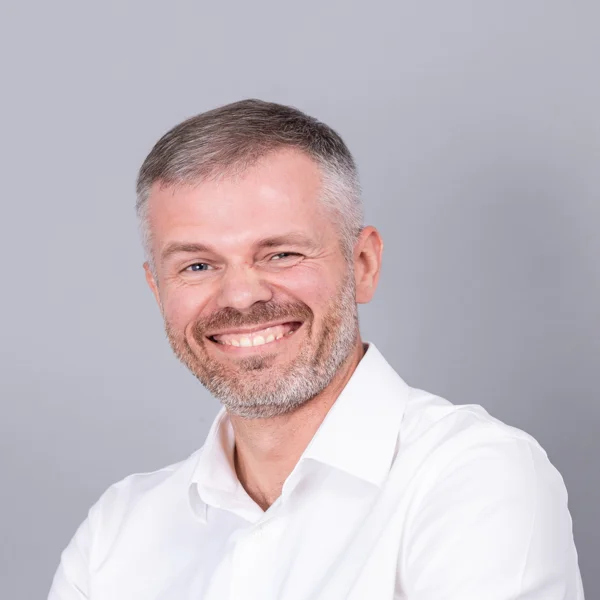
Val Kamenski is a fractional CTO, board advisor, and startup mentor with over 14 years of experience building and scaling software companies. He now helps founders and executives make better technology decisions, and navigate the fast-changing world of AI and software development.